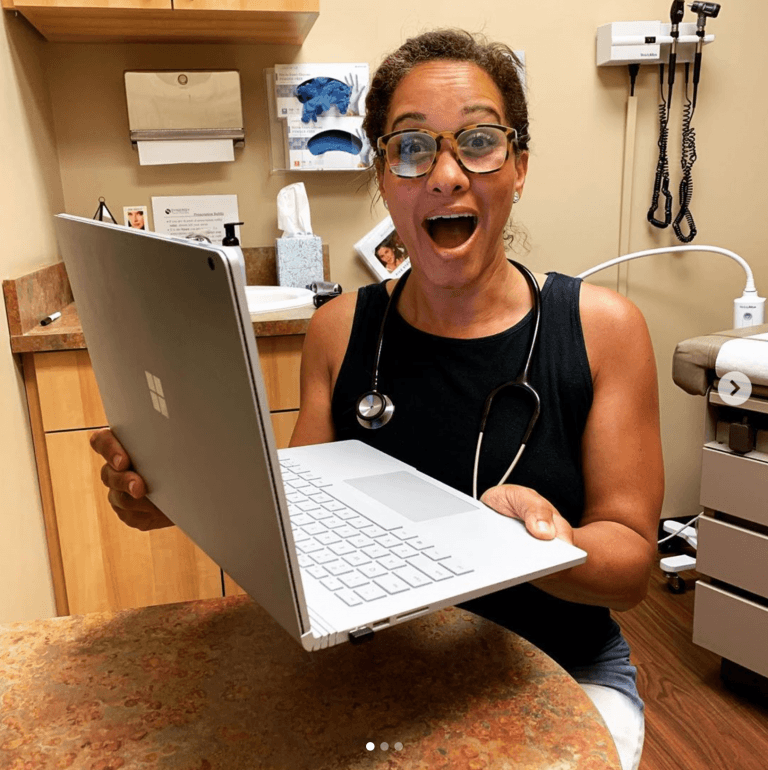
We are an integrative family medicine clinic with an emphasis on prevention and wellness. Our clinic offers Holistic Family Medicine for infants, children and adults. We utilize both conventional and alternative medicine, and strive to bridge a gap between these two forms of healthcare.
Adult Physical Exams
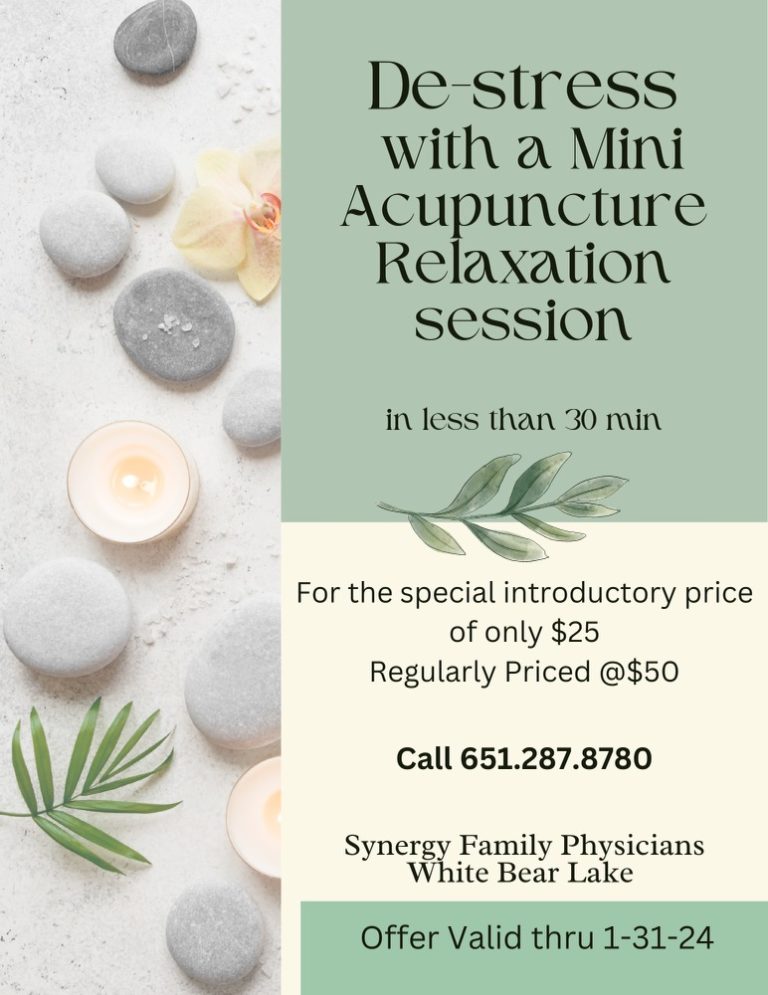
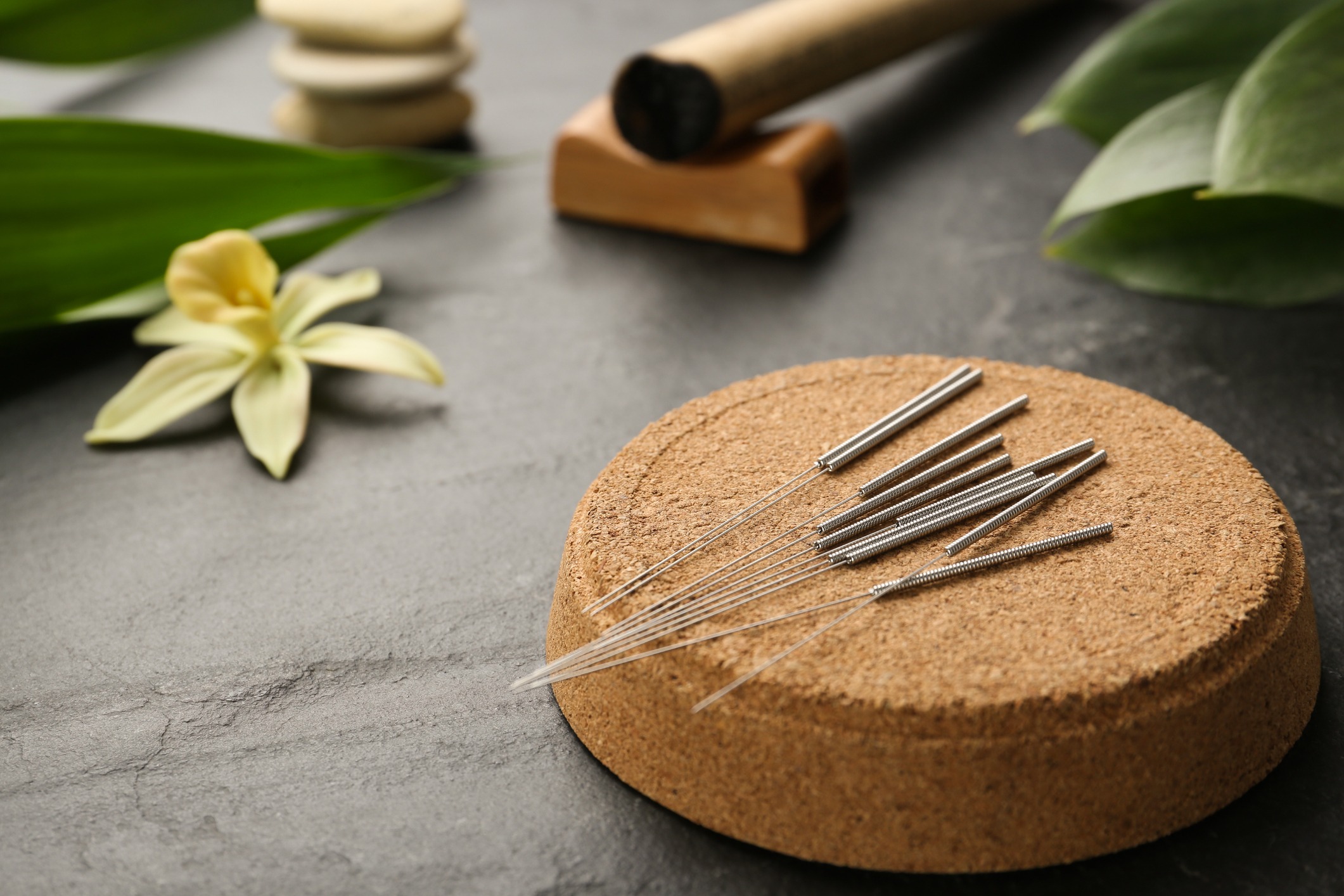
Acupuncture
Same Day Acute Visits
Chronic Disease Management
Infant and Well Child Exams
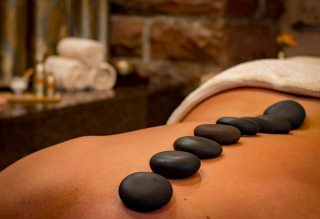
Massage Therapy
Testimonials
Both my daughter and I left our first appointment with Dr. Perry saying “we love her!” She really listened to us and gave us a holistic solution to our medical issues. The staff may also be the most friendly staff I’ve ever encountered and my dad was in private practice as a doctor so I’ve been that staff. 🤪
My wife and I have been taking our children to Synergy since 2010. Our whole family uses them as General Practitioners. We have been so impressed from the very beginning. They take a holistic approach to medicine but are still M.D.’s that take science and research into account first. If there is a natural alternative, they will suggest it if you ask, and they always give you a choice on the way you want your healthcare to work. They educate the patient and counsel appropriately and let you decide. They are very supportive of a natural lifestyle and are very friendly with our entire family. Our children have zero apprehensions about going to the doctor. From the time you call to make an appointment to the time you go in to see the doctor, you will encounter friendly staff. They are our top choice for healthcare. We travel 30 minutes just to see them! Dr. Perry and Dr. Lake are great!
Paul
I can not say enough wonderful things about Synergy! Both Dr. Lake and Dr. Perry have taken wonderful care of me and my family. I highly recommend the whole clinic!!
Jessica
Dr. Lake is amazing. She has treated me naturally for years and always quick with a diagnosis. Because of her wisdom in natural remedies, I feel great and take no medications. Dr. Lake listens and is so kind. I never feel rushed. Thank you Dr. Lake for my healthy lifestyle.
Pam
I’ve been taking my children here for three years and I have nothing but great things to say. I feel so confident in the care my children get from Dr. Lake. We’ve seen Dr. Perry when Dr. Lake has been out and she is equally as incredible. Everyone is so friendly, I’m always able to get same day appointments and I’m always able to talk to a nurse or get a call back from one when I have questions. Not to mention I know who I am talking to and I know that they know exactly who I am. The Docs are even on call after hours so I’ve been able to talk to them in the middle of the night when I’m having a worried mama moment. They are always so gracious and you’d never know you woke them from a deep sleep. Best service ever!
Emily
I cannot say enough about the compassionate, thorough care that this clinic offers, from Dr. Perry and Dr. Lake. When my 8 year old knows she is going to the Dr. she says to Dr Perry’s office? I say yes and she says good I really like them! Our family is thrilled to have finally found a home clinic for ALL of us!
Leann
Fabulous experience with Dr. Perry. Realistic about what natural options are available. Do you remember what it was like when you could talk to your doctor about your concerns and they would listen with empathy and understanding and not rush you out the door? That is what you get at Synergy. Great staff, too!
Nicole
Most of my experience has been with Dr. Lake, however both doctors are are concerned and caring. Dr. Lake has never been hurried and has respectfully and humorously answered questions no matter how simple or complex. I would highly recommend this clinic for their expertise and great client relationships.
JoAnn
As a holistic minded mom, I’m quickly becoming smitten with this little clinic! Both doctors are really sweet. I started coming here for prenatal check ups after finding out I was pregnant. I knew I had some other things that also should’ve been checked out a long time ago but have been putting it off. I love that this clinic seems like a perfect balance of both worlds- western medicine married holistic. Dr. Perry knows I’m not wanting to go the medication route just yet and was able to offer a few things to try naturally for a few weeks to see if it helped. I LOVE that! I’m looking forward to baby delivery with these gals and especially grateful to find a clinic that doesn’t push me to take a bunch of meds & actually listen to me on my reasoning.
Rachelle
Professional caring environment. Holistic approach with care, oils and vitamins, etc. Informative and knowledgeable of western medicine approach. Extremely resourceful. Dr.Lake you are one fabulous doctor.
Ella
The nurses and physicians at Synergy are patient, knowledgeable and caring. They remember us by name and always take time to answer our questions. We have never been happier with our medical care than we are at Synergy!
Lisa
Dr. Perry really expresses her care and concern. She listens and most importantly, reviews my chart before the visit and asks about my previous concerns. I am so happy I found this clinic.
Anonymous
My doctor of 20 years moved to New York and my daughter recommended Dr. Lake at Synergy Family Physicians. Needless to say it was the best recommendation she has ever given me. I love my doctor, the wonderful staff, and trust and confidence in my medical care!
Janet
We love this place and we are so sad to be moving away! Dr Lake and Dr Perry are both great along with all the nurses and staff. I have loved having a Dr that suggests natural holistic options to complement traditional medical advice. I think this is part of why my son has been so healthy. I also love that Dr Lake has been my primary care Dr, provided my prenatal care, attended my son’s birth are now cares for my son as well.